Control-system integration and machine interfaces for production lines.

Engineering control architectures, machine interfaces, and operator systems for industrial manufacturing lines. Defining technical scopes, interface requirements, and structured commissioning handoffs.

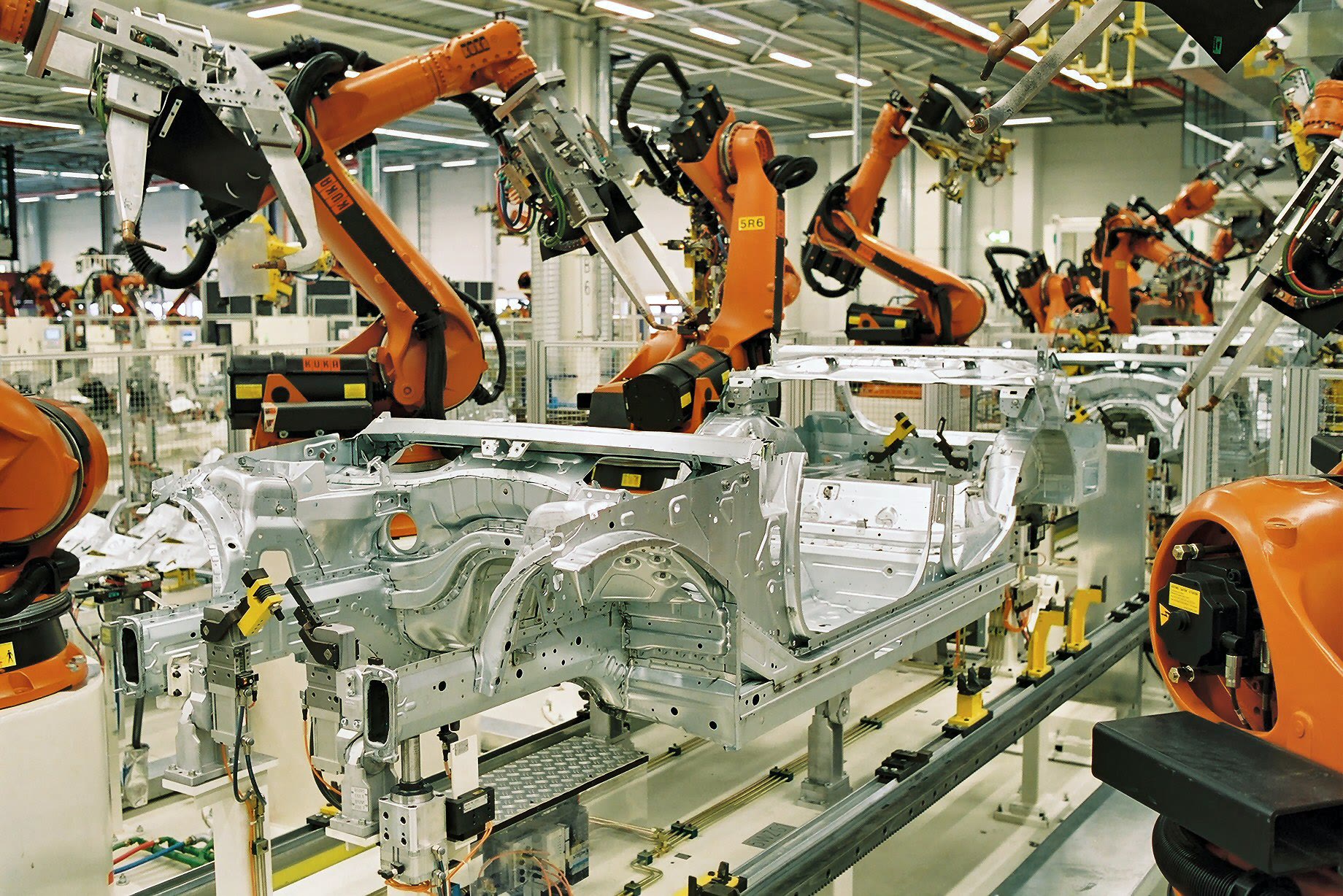
Articulated 6-axis industrial robot arms performing spot welding on an automotive chassis along an automated assembly line
Representative automated robotic welding cell. Photo: BMW Werk Leipzig (CC BY-SA 2.0 de, adapted).
Engineering Domains

Core Integration Capabilities

Three core engineering domains defining the interfaces between control panels, production machinery, and line operators.

01Controls & Architecture

Control-System Integration & Architecture

Designing electrical enclosure layouts, structured controller routines, distributed I/O drops, and field communication networks tailored to the machine layout.

Key Deliverables
  • Modular controller sequencing routines
  • Distributed field I/O wiring and layout planning
  • Hardware interlocks and safety circuit integration
  • Complete electrical schematics and wiring schedules
02Line Synchronization

Machine & Production Line Interfacing

Coordinating interlocks and signals between independent machines, conveyors, and older line sections to manage product flow.

Key Deliverables
  • Ready-to-feed and ready-to-receive signal handshakes
  • Accumulation conveyor pacing and zone monitoring
  • Hardware interface bridges for legacy machines
  • Coordinated emergency-stop zone boundaries
03Diagnostics & HMI

Operator Interfaces & Line Diagnostics

Configuring operator touchscreen stations, alarm lists, and diagnostic overviews to assist technicians during changeovers and line operation.

Key Deliverables
  • High-contrast touchscreen navigation layouts
  • Structured alarm lists with plain-text fault descriptions
  • Machine cycle indicators and sensor health monitoring
  • Password-protected setup and parameter menus
Operating Scopes

Application Contexts

Representative manufacturing environments where structured systems integration coordinates machinery, sensors, and line operators.

Packaging Lines

Packaging & Material Handling Lines

Coordinating line-speed handshakes, accumulation buffers, and interlocked safety stop circuits between upstream product feeding and downstream packaging equipment.

Assembly Cells

Assembly & Robotic Transfer Cells

Integrating robot controller signals, safety gate access interlocks, part-present sensors, and transfer conveyors into a synchronized cell sequence.

Process Skids

Process & Mixing Skids

Mapping valve manifolds, metering instrumentation, pump controls, and sequence states for dedicated mixing or fluid-transfer skids.

Delivery Milestones

Structured Project Lifecycle

A phased engineering workflow establishing clear technical milestones and handoff criteria across an integration project.

Stage 01

Phase 1: Scope Definition & Line Review

Reviewing mechanical layout drawings, existing electrical schematics, sensor counts, and functional sequence descriptions before engineering begins.

Stage 02

Phase 2: Controls Engineering & Panel Drafting

Drafting electrical CAD schematics, bill of materials, cabinet enclosure layouts, and structured controller routines following plant naming standards.

Stage 03

Phase 3: Staged Pre-Testing & Simulation

Validating controller logic states, communication handshakes, and diagnostic alarms against simulated field inputs before equipment arrives on site.

Stage 04

Phase 4: Commissioning & Operational Handoff

Checking each field connection end to end, testing sensors, confirming motor rotation, and validating safety circuits in stages during planned maintenance windows.

Project Scoping

Project Planning Parameters

Technical factors commonly used to define an industrial integration scope.

Prerequisite Technical Inputs

Typical inputs include machine layout drawings, control hardware preferences, required cycle rates, and planned maintenance windows.